On October 20th, Airbnb emailed hosts about “simplifying house rules”. Most of the coverage focused on checkout chores, since guests can no longer be asked to strip beds or wash dishes.
The chores change makes for an easy headline, but buried in the policy pages, Airbnb took the opportunity to implement much tighter limits on how hosts can interact with guests and protect their homes.
For reservations booked on or after November 20th, 2026, hosts generally can’t require a rental agreement, keep a copy of a guest’s ID, or ask for a guest’s contact information.
Can Airbnb Hosts Still Require a Rental Agreement?
This is the biggest change. Hosts used to be able to require any rental agreement they disclosed in the listing. Now a separate rental agreement is only allowed when it’s:
- Required by law or HOA or building rules
- For an optional amenity, like a golf cart rental
- For a monthly stay of 28 nights or more
- For an Airbnb Luxe listing
Even then, the contract is public on the listing, and Airbnb won’t make guests sign it or help enforce it.
Rental agreements do a lot more than list checkout instructions. Many operators have insurance requirements tied to them, and local rules can make a signed agreement critical when removing a guest for unlawful conduct. In May, THR flagged that Airbnb’s standard menu of house rules would shrink the paper trail hosts use in damage disputes. This shrinks it again.
Can Airbnb Hosts Collect Guest IDs or Contact Info?
These limits aren’t new, but they got tighter. Airbnb’s off-platform rules have limited contact info requests and required third-party apps since May 2025.
The new policy bans asking for ID documents, background or credit checks “at any point during the booking process or stay,” unless a law, HOA rule or allowed contract requires it. Hosts can still check an ID in person at check-in if the listing says so, but they can’t keep a copy. Airbnb’s own ID check doesn’t always collect a government ID either, according to its AirCover page.
Why Guest Contact Info Matters
Limiting how property managers collect guest contact information creates a real safety problem.
In a recent example, Hurricane Isaias made landfall near Destin, Florida, on October 9th as a Category 2 storm with 105 mph winds. More than 726,000 people in Florida and Alabama lost power, according to the Associated Press. The Panhandle and the Alabama Gulf Coast are two of the region’s biggest vacation rental markets.
What happens when reaching a guest can be a matter of safety, but the guest isn’t checking the Airbnb app? How can property managers know who’s staying in the home and have a reliable way to reach them?
What Checkout Tasks Can Airbnb Hosts Still Ask For?
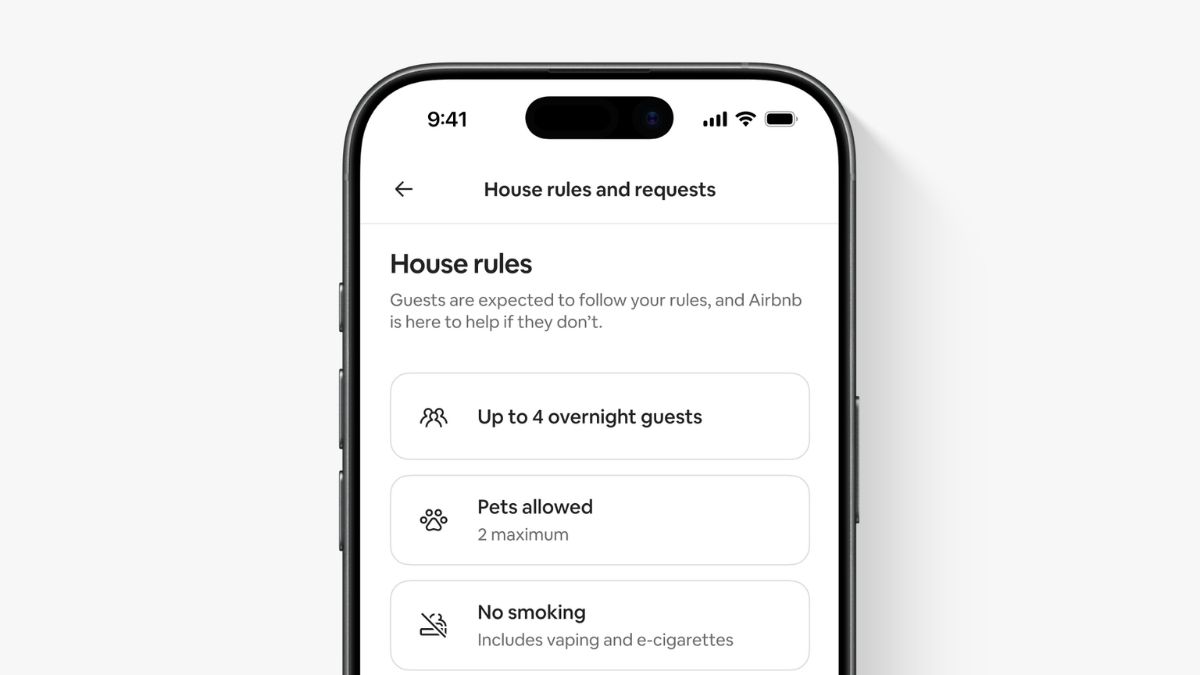
Hosts now pick from seven standard house rules: maximum overnight guests, quiet hours, events, pets, smoking, commercial photography and locking up at checkout. The first and last are new. Everything else goes under “requests,” which must be reasonable.
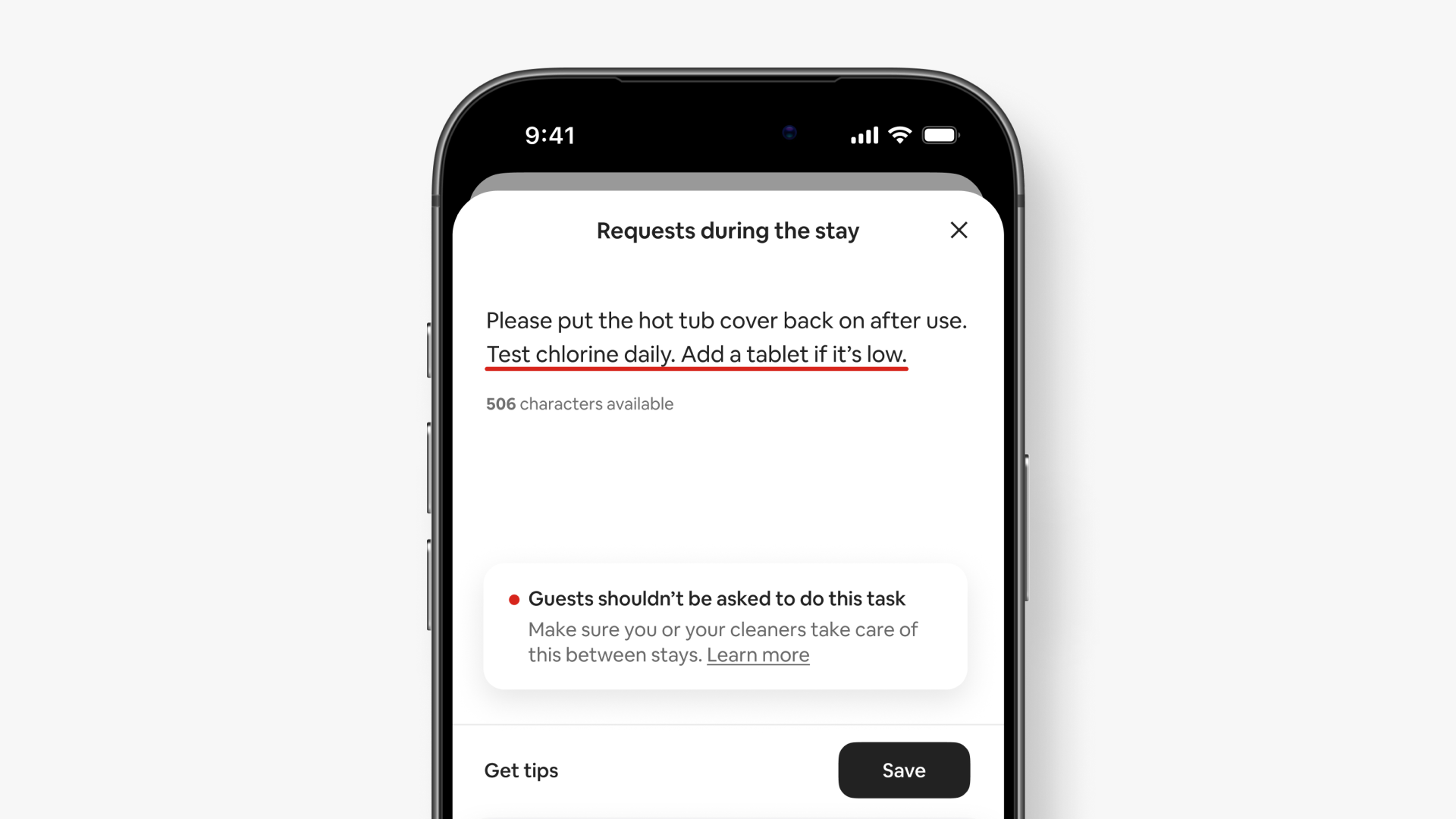
Guests can be asked to put dishes in the sink or gather used towels, but not to wash dishes, strip beds or haul trash off-site. Requests that break the rules get flagged in the Listing editor, like Airbnb’s own example of asking guests to test the hot tub’s chlorine. If hosts don’t fix them, guests may see an “includes cleaning requests” alert.
Who’s Liable If an Airbnb Guest Gets Hurt?
Many homes have features that property managers ask guests to acknowledge in writing in a rental agreement (like pools, hot tubs, docks and fire pits). Airbnb’s only example of an optional amenity that can carry a contract is a golf cart rental, and hosts can’t restrict access to anything advertised in the listing. Unless a law or HOA requires it, a pool waiver likely won’t qualify.
AirCover’s $1 million host liability insurance only pays if the host is found legally responsible. For hosts with six or more listings, it may share the cost with, or only pay after, the host’s own insurance.
That leaves an open question for every operator with a pool. If a guest slips and never signed a waiver, the liability could land on the operator, the owner, or Airbnb, and the new policy doesn’t say which.