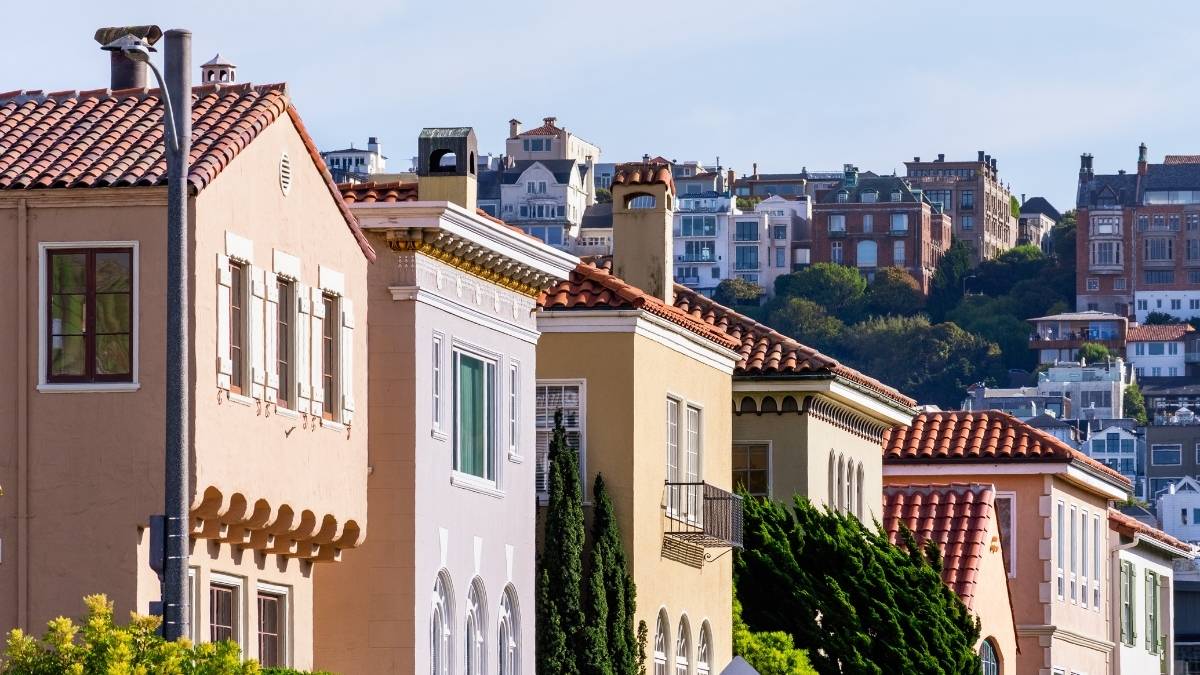
Quiet luxury is defined by restrained elegance, high-quality materials, and minimal visible branding. The aesthetic has been gaining momentum since 2023 and new forces are growing its influence on how hotels and short-term rentals are being built and furnished in 2026.
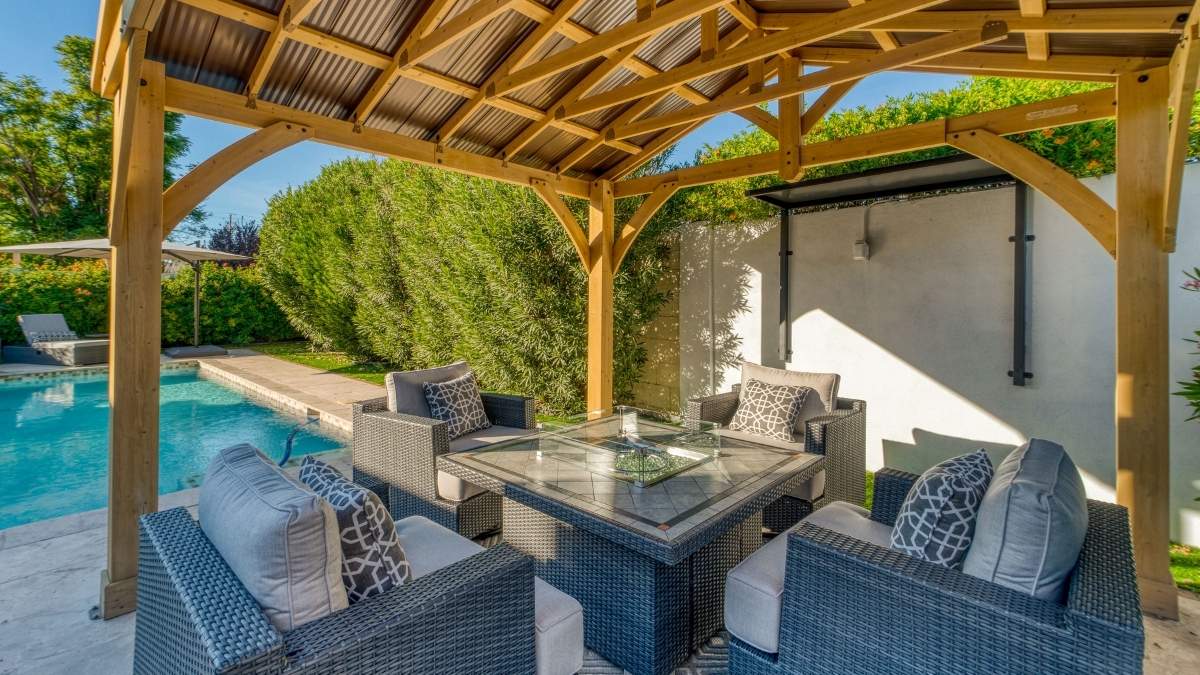
Core elements of quiet luxury include calm color palettes, premium fabrics, quality mattresses, premium bath products, integrated technology for comfort and privacy, and design choices that feel native to the region rather than staged for photos. For STRs, quiet luxury marks a clear shift away from the bold colors, loud “Instagram walls”, and themed spaces that have dominated since 2020. The focus is on spaces that photograph well because of proportion, texture, and light, not because of novelty or props.
Hospitality and social trends
Kevin Warwick, vice president of design and construction at Vision Hospitality Group, recently noted that the shift towards quiet luxury reflects a broader split in hospitality. Luxury is outperforming other asset classes, which makes it more attractive for new capital entering the market. At the same time, many operators are managing tighter budgets, which pushes investment toward fewer, better pieces.
Social trends are reinforcing the quiet luxury movement. “Stealth wealth” and “old money” styling continue to dominate TikTok, and guests increasingly expect environments that feel elevated, calm, and intentional.
Economic pressures
Economic pressures are changing how designers choose materials and suppliers. Tariffs have made imported furniture more expensive, so many designers are rethinking where they buy from and how they plan their projects. This is also pushing more people to use local items and to invest in fewer, higher quality pieces. As Warwick put it, “good design doesn’t need to be expensive, it needs to be thoughtful.”

.webp)