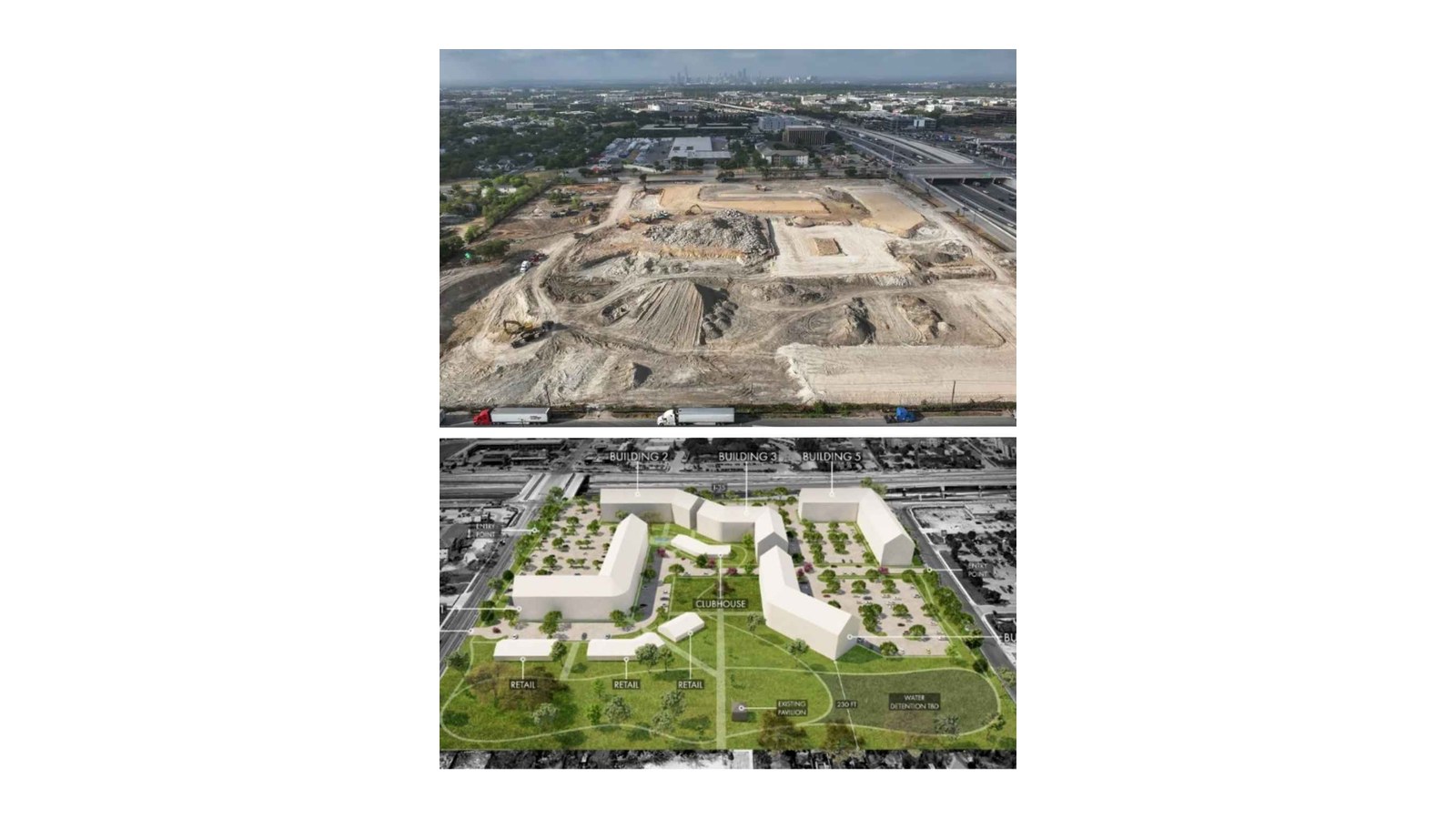
Last week, I saw an article saying that a company delivered its first batch of human looking robots to a Florida-based luxury vacation rental operator. The company called it the first U.S. deployment of robots in a vacation rental setting. It got me thinking…
- Do guests actually want this?
- And if they do, can the economics work? Could robots realistically replace labor for things like cleaning or maintenance?

Some hospitality robots already exist. Machines that fold towels or deliver room service have been generating buzz online lately.
At the same time, AI use cases in vacation rentals are growing quickly. But an AI chatbot answering “what’s the wifi password?” is very different from a 4-foot human looking robot standing in the living room of a home you rented on Airbnb.
So I dug in. Here’s what I found.
Do Guests Actually Want Robots?
Right now, it still feels like a novelty. Something closer to The Jetsons.

A small group of guests would absolutely book a stay just because a robot is part of the experience. For them, the robot becomes part of the entertainment. But that audience is likely limited, and the novelty could fade quickly.
The longer-term question is comfort. Would most guests actually want a 4 foot robot moving around the home during their stay?
I did find one real-world case study:
Japan’s Henn-na Hotel opened in 2015 as the world’s first robot-staffed hotel, initially deploying 243 robots. By 2019, the hotel had “fired” more than half of the robots. Some of the failures were hilarious:
- A room assistant robot mistook a guest’s snoring for voice commands and repeatedly woke him up during the night. (picturing that made me laugh out loud)
- Front desk robots could not answer basic guest questions.
- Luggage-carrying robots struggled with the one task they were designed to perform.
- Human staff ended up working overtime repairing machines, increasing labor costs instead of reducing them.
Now, technology has improved significantly since 2015. But from what I read, the hotel managers viewed robot installation as “something of a publicity stunt to attract guests” and couldn’t confirm robots were boosting profits.
What Do They Cost, and What Would ROI Look Like?
Costs
Here is the pricing structure I was able to find:
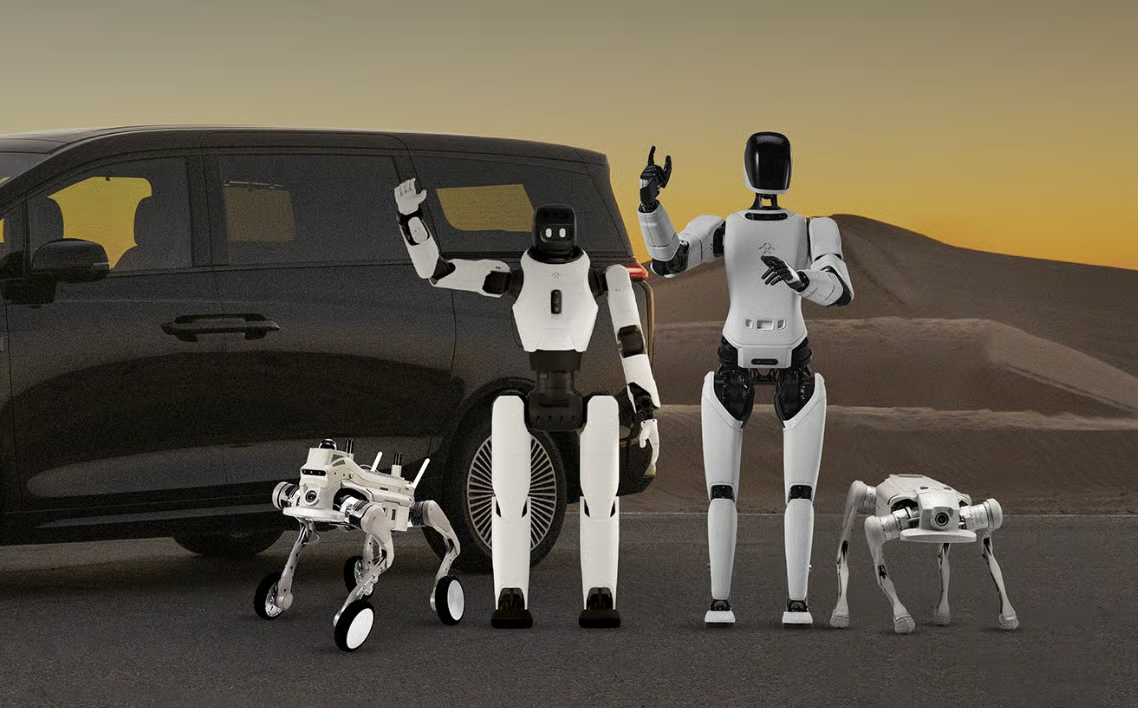
- Full-size human looking robot: $40k
- Smaller human looking robot: $25k
- Delivery robot: $15k
- Robot dog: $3,500
Payback
My first thought was: what if these robots could replace a cleaner or perform maintenance tasks?
After digging deeper, the reality is that none of these robots can replace a cleaner or meaningfully reduce operational costs for a vacation rental today. The human looking models can handle very narrow tasks like vacuuming flat floors or folding a pre-positioned towel. And even then, the process is slow.
So we’re still a few years out from a robot doing a full vacation rental turnover clean, at least.
Because of that, the ROI model for hosts is not “replace expensive labor” instead, it’s “charge more per night because the property has a robot.”
And that’s exactly how vendors are positioning it. The pitch is that hosts can create “robot-themed vacation rentals” that generate social media attention and pricing power.
The real question becomes whether the novelty can drive enough additional revenue to justify the cost.
A $25,000 to $40,000 human looking robot would likely struggle to achieve a positive ROI in the next few years. But the lower-cost “robot dog” is at least worth modeling:
The unknown variable is guest demand. There’s no market data showing whether travelers would pay a $20 to $30 nightly premium for a property with a robot dog, but you are pretty much guaranteed a bump in social media attention. So what could that do to Occupancy %? Its an interesting marketing experiment.
Personally, I’lll sit this one out. But when a robot can do a full turnover clean, it’ll get a lot more interesting.