Reading Between the Lines of Airbnb's Q1 Call
Airbnb posted Q1 revenue of $2.7 billion last week, up 18% from a year ago. Most hosts probably scrolled past it. It's a big number, but it doesn't change the guest checking in tomorrow.
The earnings call mattered more than the revenue numbers. A huge theme was Airbnb's CEO Brian Chesky pointing past Q1 toward one date: May 20th. That's Airbnb's 2026 Summer Release. Hotels? Wait until May 20th. AI search? May 20th. Listing tools? May 20th. He brought it up at least six times.

Still, there was a lot to learn about where Airbnb is heading from what did get said. Here's what stood out:
Search results
The biggest shift Chesky talked about wasn't a new feature: it was who Airbnb's search is now optimizing for. In his words:
"There are people that only want to book hotels. They should only see hotels. There are people that only want to book homes. They should only see homes... If you are going to search last minute for one night in a business trip, and we know all that, and we know you sometimes book hotels, we're probably going to show you hotels. If you're looking for a family vacation, you're traveling with four other guests, you're going to stay for a week in Italy, in Tuscany, a hotel is probably not right. We're probably going to show an Airbnb, a home."
So search rankings on Airbnb used to come down to price, reviews, response rate, and conversion. Now there's a new lever hosts can't see and can't optimize for: if Airbnb's algorithm thinks the guest even wants a home.
Two kinds of hosts
Airbnb's using AI to add more tools for hosts, and they framed hosts in two groups.
Group 1 is hosts on a property management system. Airbnb said they plan to ship more API tools and enterprise features. Translation: expect more tools for professional operators that can be accessed through your PMS.
Group 2 is regular hosts operating through the Airbnb app. Chesky's vision for them is more about simplification. He cited one example around reducing friction during the sign up process:
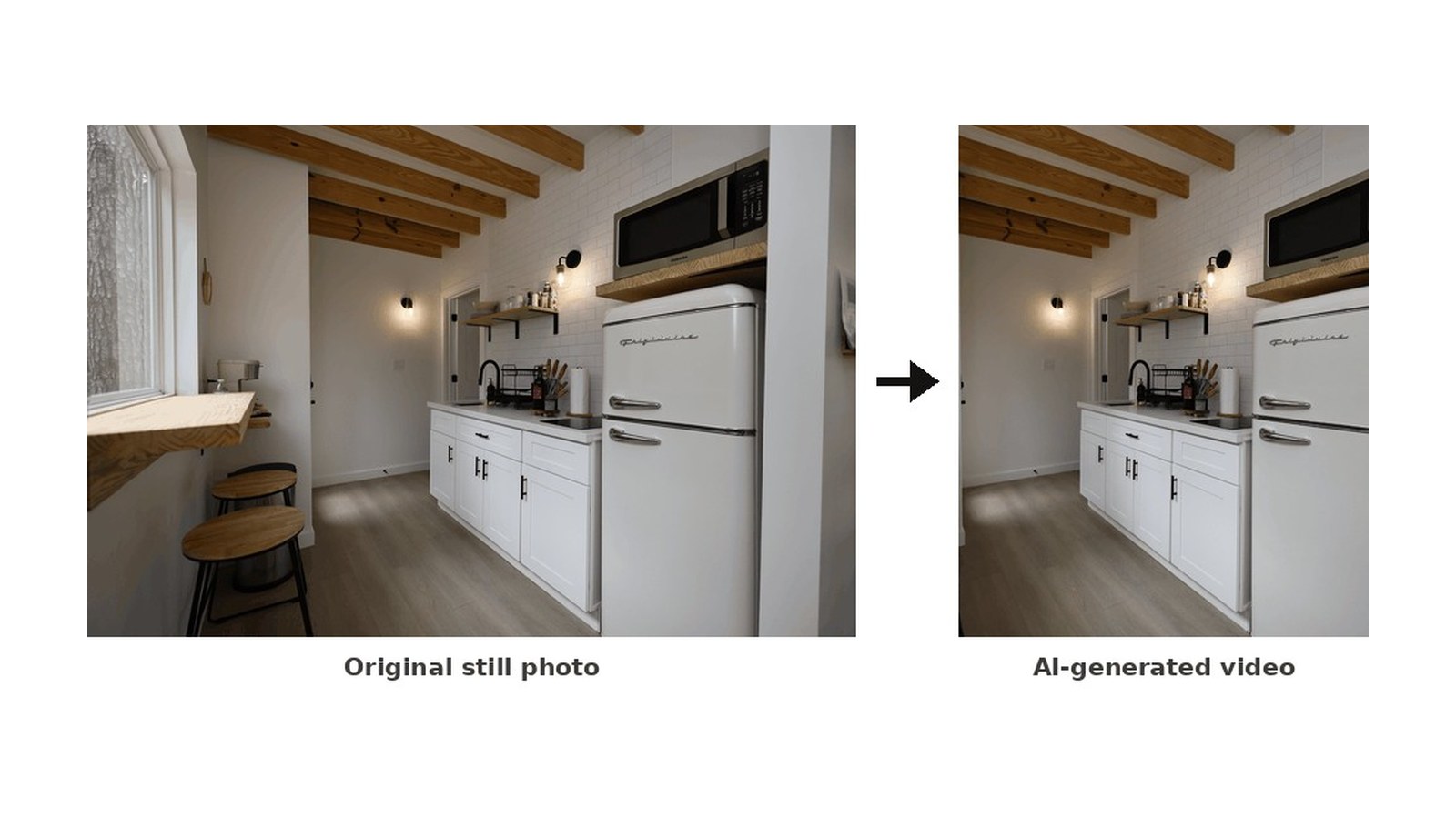
"Right now, you have to type everything in. You have to type in your address, you type in your title, you have to type in your listing description. Eventually, I imagine a world where you can just say like, list my place, you put in your address, it can scrape information off the internet, you can take photos, it can even write your description based on computer visioning of the photo."
What stands out is that the floor is rising. A first-time host with no design sense and no writing skills will soon be able to ship a listing that looks pretty close to a professionally-tuned one. The gap between a pro listing and a hobby listing gets smaller, and I'd expect the edge that comes from having a more polished listing than the competition will shrink over time.
Hotels
CFO Ellie Mertz said hotels are still a "single-digit percentage" of total nights, but every top-line hotel metric is growing more than double the rest of the business.
Mertz framed hotels three ways: 1) they cover demand in markets where regulation limits homes, 2) they fit trips where a home isn't right, and 3) they're an "onboarding ramp" for travelers new to Airbnb. She also emphasized that ~55% of guests who book a hotel on Airbnb come back and book a home later.
Here's the part I keep getting stuck on. Some of those hotel guests are new to the platform. But I bet most are existing Airbnb users who probably would have booked a home, and the new personalization layer is now routing them to a hotel because it thinks that's the better fit.
Adding hotels is a no-brainer for Airbnb. More supply, more revenue. I don't see how it's good for existing hosts, though. We don't know if a meaningful number of net-new guests are coming to the Airbnb app specifically to book a hotel. At least not yet. And the harder part: you can't see it happen. You can't A/B test against guests who never saw your listing.
Reserve Now, Pay Later
RNPL is now live worldwide and was responsible for about 20% of Q1 gross booking volume. Mertz on the impact:
"In every market that we have launched Reserve Now, Pay Later, there is a material lift to gross bookings. And in all cases, we tested extensively to ensure that the net lift to bookings was positive. So, certainly, with the offering, there is a very elevated level of cancellations that come with the program. But across all regions, what we see is that the net impact is positive to the business."
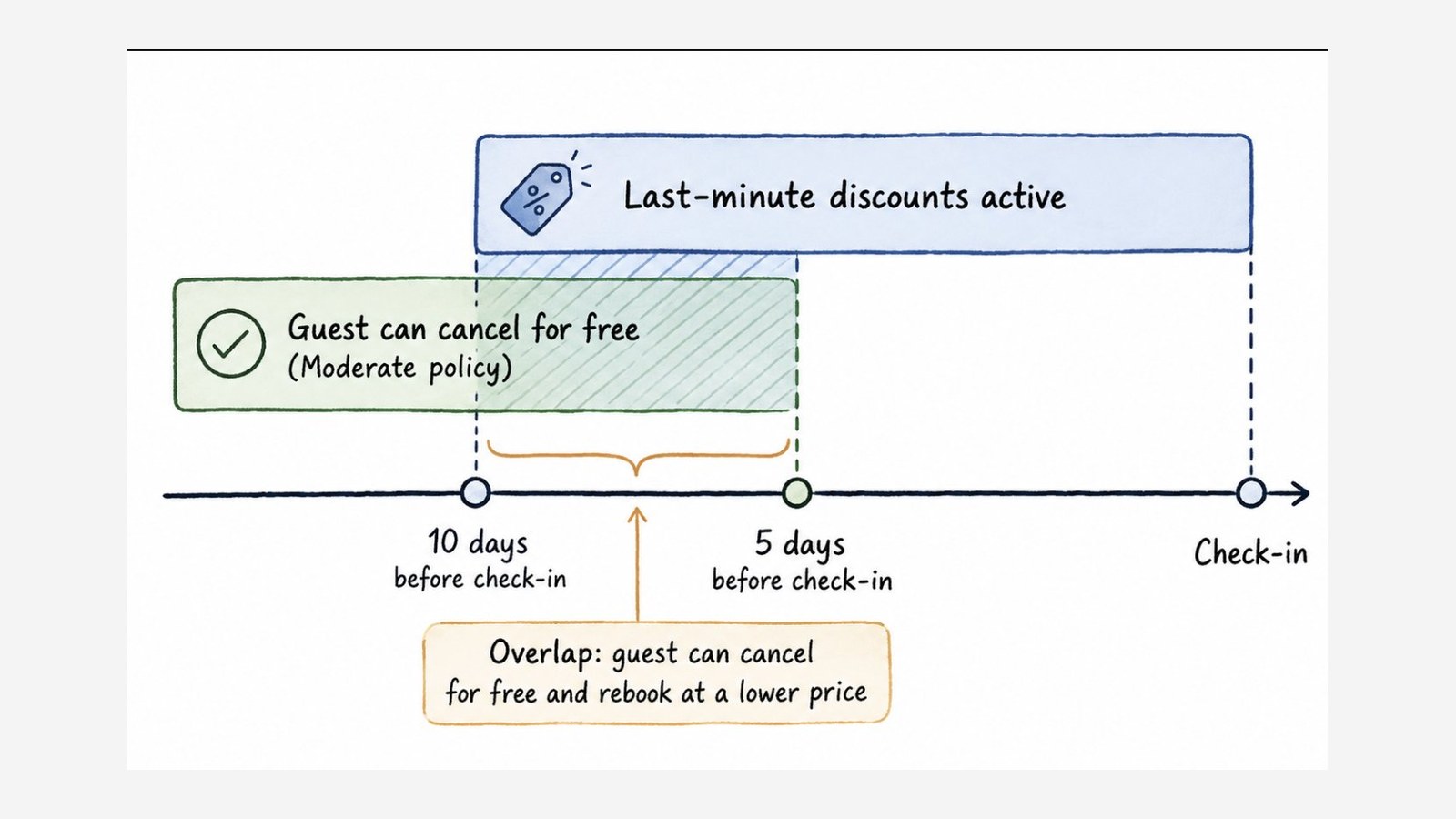
Two phrases worth sitting with: "net impact is positive to the business" and "very elevated level of cancellations." The key for hosts is trying to limit the number of last minute cancellations as a result of this.
What to watch on May 20th
If even half of what Chesky hinted at ships on May 20th, search becomes intent-driven, listing becomes one-tap, and hotels keep expanding. I'm also guessing Airbnb announces a new membership program for guests. It'll certainly be worth tuning in to Airbnb's 2026 Summer Release on May 20th.